Cancer is a word that often brings fear, confusion, and many unanswered questions. In many Nigerian homes, hearing the word “cancer” is sometimes seen as a death sentence or something too frightening to talk about. Unfortunately, this fear and silence often prevent people from seeking help early.
Understanding what cancer really is is the first step toward prevention, early detection, and survival. This article explains cancer in simple terms for Nigerian families, clears common myths, and highlights why awareness saves lives.
What Exactly Is Cancer?
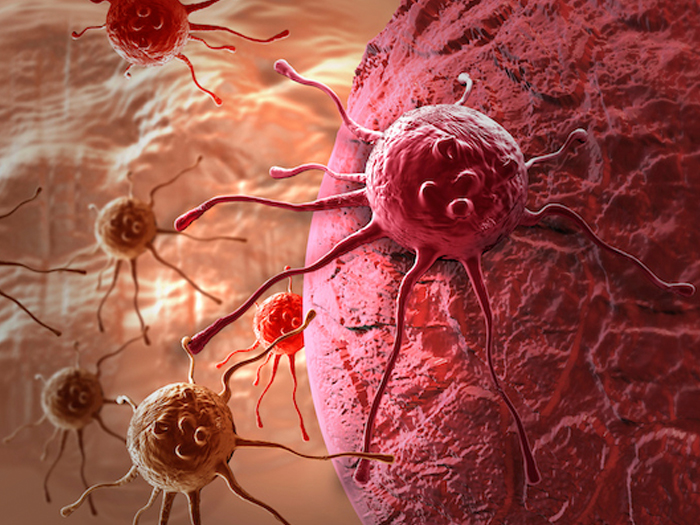
Cancer is a disease that happens when some cells in the body begin to grow abnormally and uncontrollably. Normally, the body’s cells grow, divide, and die in an orderly way. Cancer occurs when this process breaks down and damaged cells keep growing instead of dying.
These abnormal cells can form a mass called a tumour, or they may affect the blood and immune system. If not detected early, cancer cells can spread to other parts of the body.
Is Cancer One Disease?
No. Cancer is not a single disease. There are over 100 different types of cancer, and they are usually named after the part of the body where they begin. Examples include:
- Breast cancer
- Cervical cancer
- Prostate cancer
- Ovarian cancer
- Colorectal cancer
- Childhood cancers
Each type of cancer behaves differently and requires specific care and treatment.
Common Myths About Cancer in Nigeria
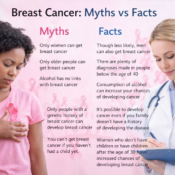
Many misconceptions about cancer still exist in our communities. Let’s clear some of them:
Myth 1: Cancer is caused by witchcraft or spiritual attack
Cancer is a medical condition. While faith and prayer can provide emotional strength, cancer requires medical attention and early detection.
Myth 2: Cancer is contagious
Cancer cannot be transmitted from one person to another through touch, sharing food, or living together.
Myth 3: Cancer only affects rich people or those abroad
Cancer affects people of all backgrounds, ages, and social classes — including Nigerians in both rural and urban communities.
Myth 4: There is no hope once someone has cancer
Many people live long, meaningful lives after a cancer diagnosis, especially when the disease is detected early.
What Causes Cancer?
Cancer can be caused by a combination of factors, including:
- Tobacco use (smoking and smokeless tobacco)
- Excessive alcohol consumption
- Poor diet and physical inactivity
- Certain infections such as HPV and Hepatitis B
- Exposure to harmful chemicals or radiation
- Family history and inherited genes (in some cases)
Often, cancer develops over time due to a combination of these factors rather than a single cause.
Why Early Detection Matters
One of the biggest challenges with cancer in Nigeria is late presentation. Many people only go to the hospital when symptoms have become severe. By then, treatment becomes more difficult and expensive.
Early detection through regular screening can: – Detect cancer before symptoms appear
– Increase chances of successful treatment
– Reduce treatment costs
– Save lives
This is why awareness and routine screening are critical.
How Can Families Protect Themselves?
Every family can take steps to reduce cancer risk:
- Learn the warning signs of common cancers
- Encourage regular medical check-ups and screenings
- Maintain a healthy lifestyle with good nutrition and exercise
- Avoid tobacco and limit alcohol use
- Talk openly about health concerns without fear or stigma
Most importantly, do not ignore unusual symptoms or rely solely on self-medication.
MICF’s Commitment to Cancer Awareness
At the Magdalene Iyamu Cancer Foundation (MICF), we are committed to educating, enlightening, and assisting individuals and families affected by cancer. Through community outreaches, advocacy programs, and education initiatives, we work to promote early detection and reduce the burden of cancer in Nigeria.
Cancer awareness starts with knowledge — and knowledge saves lives.
Take Action Today
Cancer is not a death sentence, but ignorance and delay can be. Learn the facts, share this information with your family, and encourage loved ones to seek medical advice when needed.
If you would like more information about cancer awareness, screening, or MICF’s programs, contact the Magdalene Iyamu Cancer Foundation or speak with a qualified healthcare professional.